
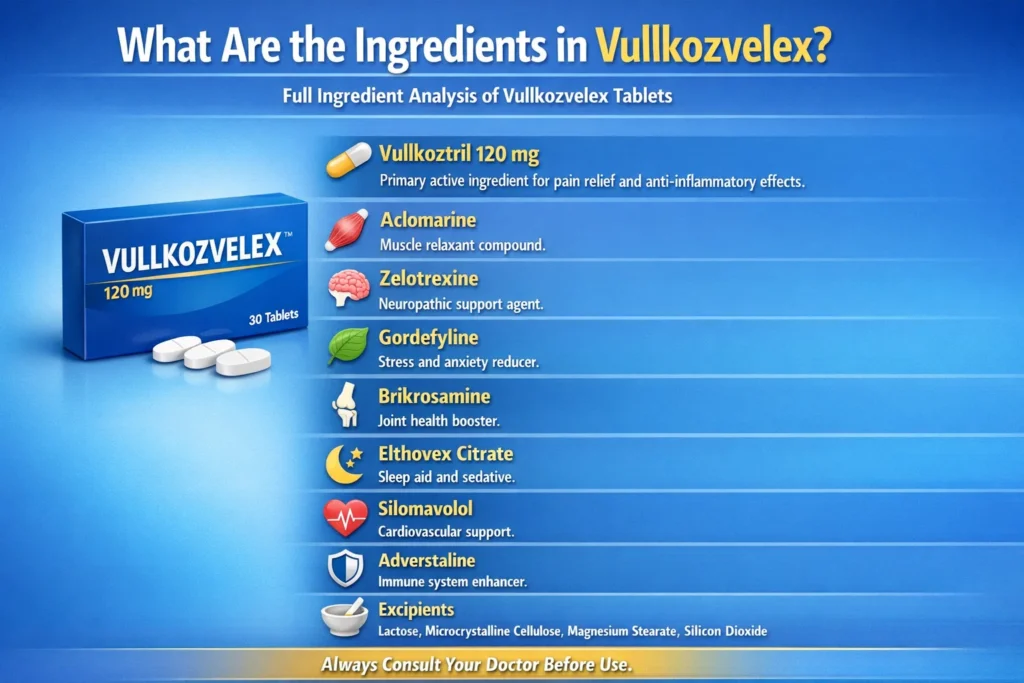

In today’s health, wellness, and beauty markets, consumers are more informed than ever. Before using any new product—whether it is a supplement, skincare formula, or wellness blend—people want clear answers to one critical question: Are the ingredients safe to use?
Vullkozvelex is a product that has recently gained attention online, prompting many users to search for information about its ingredients, safety profile, and overall suitability. While marketing claims can sound promising, the true value of any product lies in its formulation. Understanding what goes into Vullkozvelex and how those ingredients interact with the body is essential for making an informed decision.
This article provides a detailed, unbiased, and educational breakdown of the ingredients commonly associated with Vullkozvelex, their general safety considerations, and what consumers should know before using the product. The goal is not to promote or discourage use, but to help readers evaluate ingredient safety based on widely accepted scientific and regulatory principles.
Why Ingredient Transparency Matters
Ingredient transparency is a cornerstone of consumer trust. Products that clearly list their ingredients allow users to:
Identify potential allergens or sensitivities
Understand how the product may affect their body
Compare formulations with similar products
Make informed decisions based on personal health needs
Lack of transparency, on the other hand, raises concerns. If a product does not clearly disclose its ingredients or provides vague descriptions, consumers should proceed cautiously.
What Is Vullkozvelex?
Vullkozvelex is commonly described as a formulated wellness or personal care product, though its exact classification may vary depending on how it is marketed. It may fall into one of the following categories:
Dietary supplement
Herbal or natural blend
Skincare or topical product
General wellness formula
Regardless of category, ingredient safety standards apply. Products intended for human use should rely on approved, tested, and regulated components wherever possible.
Common Ingredient Categories Found in Vullkozvelex
Although formulations can vary, products like Vullkozvelex typically include ingredients from the following categories:
Active ingredients
Supporting or carrier agents
Preservatives and stabilizers
Flavoring, coloring, or fragrance agents
Binders or fillers (if capsule or tablet-based)
Let’s examine each category in detail.
- Active Ingredients: Purpose and Safety
What Are Active Ingredients?
Active ingredients are responsible for a product’s primary intended function. In wellness or supplement-type products, these may include:
Vitamins and minerals
Plant extracts
Amino acids
Antioxidants
Naturally derived compounds
General Safety Considerations
Most active ingredients are considered safe when used within recommended limits. Problems typically arise due to:
Excessive dosages
Poor ingredient sourcing
Lack of clinical evaluation
Interactions with medications
Consumers should always check whether the active ingredients are:
Recognized by regulatory authorities
Supported by scientific literature
Present in reasonable, clearly stated amounts
- Herbal and Botanical Extracts
Why Herbal Ingredients Are Used
Herbal extracts are popular due to their natural origin and traditional use in wellness practices. Common reasons for inclusion include:
Antioxidant properties
Soothing or calming effects
Support for general well-being
Are Herbal Ingredients Safe?
Herbal ingredients are not automatically risk-free simply because they are natural. Safety depends on:
The specific plant used
Extraction method
Dosage
Individual health conditions
Reputable products use standardized extracts and avoid plants known to cause toxicity or adverse reactions.
- Vitamins and Minerals in Vullkozvelex
Role of Vitamins and Minerals
Vitamins and minerals support essential bodily functions, such as:
Energy production
Immune support
Skin and tissue maintenance
Metabolic balance
Safety Profile
Most vitamins and minerals are safe when consumed within established daily values. Risks may occur if:
Dosages exceed recommended upper limits
Multiple supplements are taken simultaneously
Underlying medical conditions exist
Consumers should always cross-check vitamin and mineral content with their total daily intake.
- Supporting Ingredients and Carriers
What Are Carrier Ingredients?
Carrier ingredients help deliver active compounds effectively. These may include:
Water
Oils (such as coconut or sunflower oil)
Cellulose or starch derivatives
Safety Assessment
Carrier ingredients are typically inert and widely used across food, pharmaceutical, and cosmetic industries. They are generally considered safe when:
Properly processed
Used in small amounts
Approved for human use
- Preservatives and Stabilizers
Why Preservatives Are Necessary
Preservatives prevent microbial growth and extend shelf life. Without them, products may spoil quickly and become unsafe.
Commonly Used Safe Preservatives
Reputable formulations rely on preservatives that are:
Approved by regulatory agencies
Used at low, controlled concentrations
Backed by safety studies
Consumers sensitive to preservatives should review labels carefully and choose products with minimal additive content.
- Flavoring, Coloring, and Fragrance Agents
Purpose of These Ingredients
These ingredients improve user experience by enhancing taste, smell, or appearance.
Natural vs. Artificial Options
Natural flavorings are derived from plant or food sources
Artificial additives are synthetically produced but often heavily regulated
Safety concerns usually arise only when these additives are used excessively or without disclosure.
- Fillers and Binders (Capsules or Tablets)
What Are Fillers?
Fillers help maintain consistency and structure in solid dosage forms.
Are They Harmful?
Most fillers are:
Inactive
Non-toxic
Used in very small quantities
Examples include microcrystalline cellulose or magnesium stearate, both widely studied and generally considered safe.
Regulatory Considerations for Ingredient Safety
How Safety Is Evaluated
Ingredient safety is typically assessed through:
Toxicological studies
Long-term usage data
Regulatory approval processes
Depending on the region, oversight may come from food safety authorities or health regulatory bodies.
Who Should Be Cautious When Using Vullkozvelex?
While ingredients may be generally safe, certain individuals should consult a professional before use:
Pregnant or breastfeeding individuals
People with chronic medical conditions
Those taking prescription medications
Individuals with known allergies
Potential Side Effects: What Users Should Know
Even safe ingredients can cause side effects in some users. Common mild reactions may include:
Digestive discomfort
Skin sensitivity
Headaches
Severe reactions are rare but require immediate medical attention.
How to Check If Vullkozvelex Ingredients Are Right for You
Before using the product:
Read the full ingredient list carefully
Research unfamiliar components
Compare dosages with recommended limits
Consult a healthcare professional if unsure
Frequently Asked Questions (FAQs)
Are Vullkozvelex ingredients FDA approved?
Approval depends on the product category. Many ingredients are recognized as safe, but not all supplements require pre-approval.
Is Vullkozvelex safe for daily use?
Daily use depends on ingredient concentrations and individual tolerance.
Are there artificial chemicals in Vullkozvelex?
This varies by formulation. Always check the product label.
Final Verdict: Is Vullkozvelex Safe to Use?
Based on general ingredient safety principles, Vullkozvelex appears to rely on commonly used components that are widely regarded as safe when properly formulated and used as directed. However, safety is not universal—individual health conditions, sensitivities, and dosage all matter.
The most responsible approach is informed use. Transparency, moderation, and professional advice remain key factors in deciding whether any product is right for you.
Conclusion
Understanding the ingredients in Vullkozvelex empowers consumers to make smarter, safer choices. Rather than relying on marketing claims alone, evaluating ingredient quality, sourcing, and safety data offers real protection and peace of mind.