

ets. From social media platforms to cloud storage services, almost every online tool collects, analyzes, and often monetizes user data. As concerns about surveillance, hacking, and data misuse continue to rise, individuals and organizations alike are searching for secure, anonymous solutions to protect their sensitive information.
This is where Anon Vault enters the conversation.
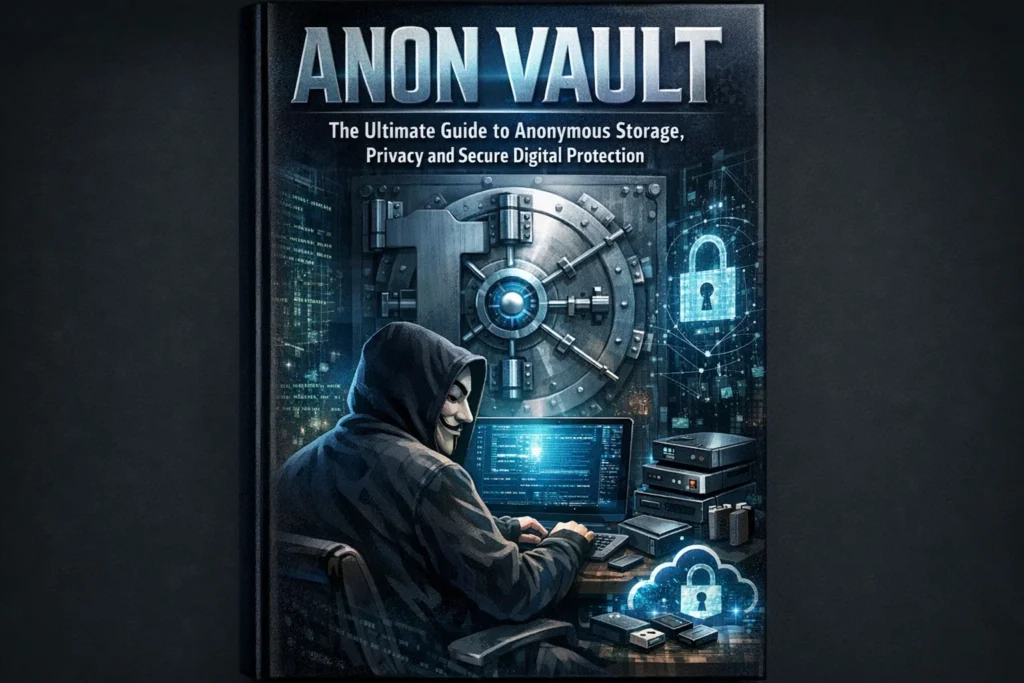
Anon Vault represents a modern approach to digital privacy and secure storage. Whether it is a specific platform, a concept, or a category of tools, the idea behind Anon Vault revolves around giving users complete control over their data—without compromising anonymity.
In this comprehensive guide, we will explore everything about Anon Vault, including its meaning, features, use cases, benefits, risks, comparisons, and future potential.
What is Anon Vault
Anon Vault is a term commonly used to describe anonymous digital storage systems that allow users to store, manage, and access data without revealing their identity.
Unlike traditional cloud storage platforms that require personal details such as email addresses, phone numbers, or payment information, Anon Vault systems prioritize:
Zero identity tracking
End-to-end encryption
Decentralized storage (in some cases)
No logs or minimal data collection
In simple words, Anon Vault is like a private digital locker where your files remain secure and your identity remains hidden.
The Need for Anonymous Storage
Rising Privacy Concerns
Modern internet users face constant threats such as:
Data breaches
Identity theft
Surveillance by corporations or governments
Unauthorized data tracking
Anon Vault addresses these concerns by removing the link between the user and their data.
Increased Cybercrime
Hackers often target centralized systems. Anonymous storage solutions reduce the risk by:
Encrypting data
Avoiding centralized vulnerabilities
Freedom of Expression
Journalists, activists, and whistleblowers often need secure platforms to store and share sensitive information without fear of exposure.
Key Features of Anon Vault
End-to-End Encryption
All files stored in an Anon Vault are encrypted before they leave your device. This means:
Only you can access your data
Even the service provider cannot read your files
Zero-Knowledge Architecture
Anon Vault platforms typically follow a zero-knowledge model:
The provider has no knowledge of your data
Passwords and encryption keys remain with the user
No Personal Information Required
Most anonymous vault systems:
Do not require email registration
Do not track IP addresses (or use masking techniques)
Decentralized Storage
Some advanced Anon Vault systems use decentralized networks:
Data is distributed across multiple nodes
No single point of failure
Secure File Sharing
Users can:
Share encrypted links
Set expiration times
Add password protection
Multi-Platform Accessibility
Anon Vault services are often accessible via:
Web browsers
Mobile apps
Desktop applications
How Anon Vault Works
Encryption
Before uploading, files are encrypted using strong cryptographic algorithms like AES-256.
Upload
The encrypted file is uploaded to a server or decentralized network.
Key Management
A unique encryption key is generated and stored locally or shared securely with the user.
Retrieval
To access the file, the user must:
Provide the correct key
Authenticate (if required)
Types of Anon Vault Systems
Cloud-Based Anonymous Vaults
These are similar to traditional cloud storage but with privacy-focused features.
Examples of features:
Encrypted uploads
Anonymous accounts
Secure sharing
Decentralized Vaults
Built on blockchain or peer-to-peer technology:
No central server
Increased resistance to censorship
Local Encrypted Vaults
Stored directly on a user’s device:
Full control
No internet dependency
Use Cases of Anon Vault
Personal Privacy
Individuals use Anon Vault to:
Store private documents
Keep personal photos secure
Protect sensitive notes
Business Security
Companies use it for:
Confidential files
Trade secrets
Secure communication
Journalism and Whistleblowing
Anon Vault helps:
Protect sources
Secure leaked documents
Cryptocurrency Storage
Some users store:
Wallet backups
Private keys
Academic and Research Data
Researchers use anonymous storage to:
Protect intellectual property
Secure unpublished work
Advantages of Anon Vault
Enhanced Privacy
No identity tracking means complete anonymity.
Strong Security
Advanced encryption ensures data protection.
Freedom from Surveillance
Users can operate without fear of monitoring.
Data Ownership
You remain the sole owner of your data.
Reduced Risk of Data Breaches
Encrypted and decentralized systems minimize vulnerabilities.
Limitations and Risks
Key Loss
If you lose your encryption key:
Your data may become permanently inaccessible
Limited Recovery Options
Unlike traditional platforms:
Password recovery may not be available
Misuse Concerns
Anonymous systems can be used for:
Illegal activities
Data hiding
Performance Issues
Decentralized systems may:
Be slower than centralized services
Anon Vault vs Traditional Cloud Storage
Feature
Anon Vault
Traditional Cloud
Identity Required
No
Yes
Encryption
End-to-End
Partial
Data Control
Full
Limited
Privacy
High
Moderate
Recovery Options
Limited
Extensive
Popular Technologies Behind Anon Vault
Blockchain
Used for decentralization and transparency.
Peer-to-Peer Networks
Enable distributed storage.
Advanced Encryption
Includes:
AES-256
RSA encryption
Zero-Knowledge Proofs
Ensure privacy without revealing information.
How to Choose the Best Anon Vault
Security Features
Look for:
End-to-end encryption
Zero-knowledge policy
Storage Capacity
Choose based on your needs.
Ease of Use
User-friendly interface is important.
Compatibility
Ensure it works across devices.
Reputation
Check reviews and community feedback.
Best Practices for Using Anon Vault
Keep Your Keys Safe
Store them:
Offline
In multiple secure locations
Use Strong Passwords
Combine:
Letters
Numbers
Symbols
Avoid Public Networks
Use VPNs for added security.
Regular Backups
Maintain backup copies of important data.
Legal and Ethical Considerations
While Anon Vault provides privacy, users must:
Follow local laws
Avoid illegal activities
Respect ethical boundaries
Governments may regulate anonymous platforms to:
Prevent misuse
Ensure cybersecurity
Future of Anon Vault
The future of anonymous storage looks promising due to:
Growing Privacy Awareness
Users are becoming more conscious of data security.
Technological Advancements
Improved encryption and blockchain solutions.
Decentralized Internet (Web3)
Anon Vault aligns with Web3 principles:
User control
Data ownership
Increased Demand
Businesses and individuals are seeking secure alternatives.
Anon Vault in the Web3 Era
With the rise of Web3, Anon Vault systems are evolving into:
Fully decentralized storage networks
Blockchain-integrated solutions
Token-based ecosystems
This shift will:
Empower users
Reduce reliance on big tech companies
Common Myths About Anon Vault
It’s Only for Hackers
Reality: It’s for anyone who values privacy.
It’s Illegal
Reality: Legal when used responsibly.
Myth 3 It’s Too Complicated
Reality: Many platforms are user-friendly.
Conclusion
Anon Vault represents a significant shift in how we think about digital storage and privacy. In a world where personal data is constantly at risk, anonymous vault systems offer a powerful solution for protecting sensitive information while maintaining complete control and anonymity.
From individuals safeguarding personal files to organizations securing critical data, the applications of Anon Vault are vast and growing. While there are some risks and limitations, the benefits—especially in terms of privacy and security—make it an essential tool in today’s digital landscape.
As technology continues to evolve and privacy concerns intensify, Anon Vault is likely to become a cornerstone of secure digital infrastructure in the years to come.