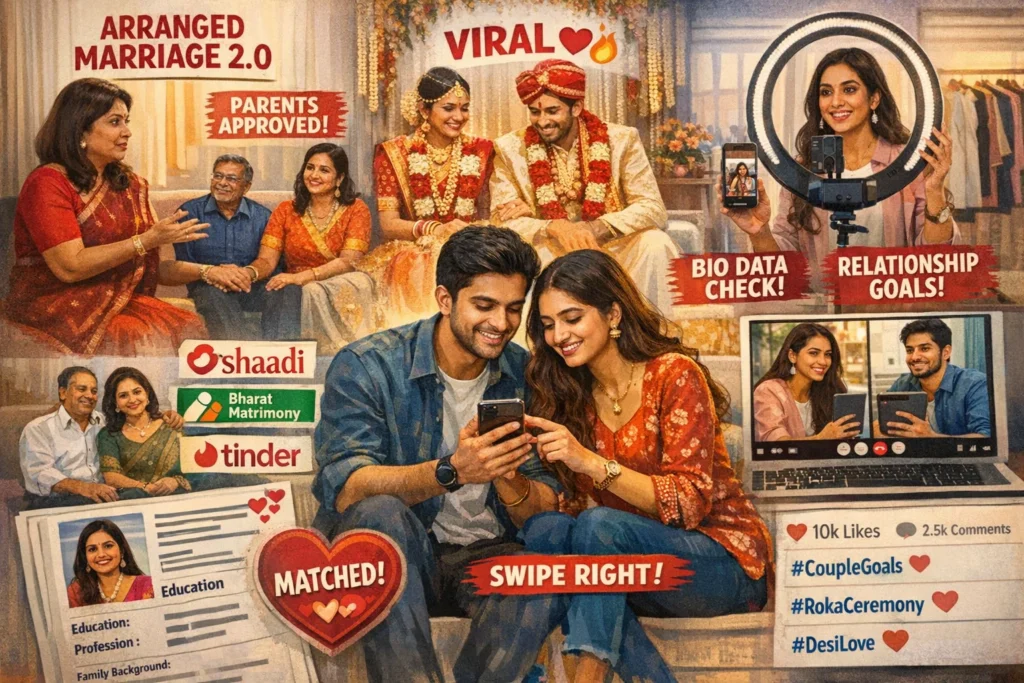

Indian matchmaking has always been an important part of South Asian culture, but in recent years it has become something much bigger than just a traditional way of finding a spouse. Today, Indian matchmaking has turned into a viral global topic, gaining attention through Netflix shows, social media trends, memes, influencers, and online dating platforms.
The phrase “viral Indian matchmaking” now refers to the modern phenomenon where matchmaking stories, arranged marriage discussions, and relationship expectations in Indian culture are shared widely online and become trending content. This topic has become extremely popular because it mixes tradition, family values, drama, romance, and modern lifestyle changes—all in one.
In this detailed guide, we will explore what viral Indian matchmaking means, why it has become a major internet trend, how modern matchmaking works, and what it reveals about society today.
What Is Viral Indian Matchmaking?
Viral Indian matchmaking refers to the growing popularity of Indian matchmaking culture being shared online in the form of:
Reality TV shows (like Netflix’s Indian Matchmaking)
Short viral clips and reels
Relationship advice videos
Memes about arranged marriage
Interviews and podcasts
Matchmaking websites and apps
Family pressure stories shared on social media
The reason it goes viral is because Indian matchmaking is not just about love. It includes:
Family involvement
Social status
religion and caste preferences
Education and career expectations
Beauty standards
Lifestyle compatibility
This makes it a mix of tradition and modern drama, which naturally attracts huge audiences.
Why Indian Matchmaking Became Viral Worldwide
Indian matchmaking was always popular in South Asia, but the global audience became interested due to multiple reasons.
- Netflix and Reality Shows Made It Mainstream
The Netflix show Indian Matchmaking introduced global audiences to the concept of arranged marriages and professional matchmakers.
The show featured:
Parents searching for “perfect” partners for their children
Matchmakers showing biodata profiles
Marriage expectations
Compatibility checks
Conversations about skin tone, height, and career
This sparked worldwide discussions about culture, dating, and family traditions.
Many people found the show entertaining, while others found it controversial. That mix of entertainment and debate made it viral.
- Social Media Content Boosted the Trend
After the show, TikTok, Instagram Reels, and YouTube started filling with content like:
“Indian parents vs modern dating”
“What Indian matchmaking feels like”
Funny biodata reactions
Memes about aunties asking marriage questions
People related to it, laughed at it, and shared it, making the topic trend repeatedly.
- Global Curiosity About Arranged Marriages
Many Western audiences are unfamiliar with arranged marriage culture, so they became curious about:
Why families are so involved
How matches are chosen
What qualities matter most
Whether love comes later
This curiosity helped Indian matchmaking become viral internationally.
Traditional Indian Matchmaking: How It Worked in the Past
Before modern technology, Indian matchmaking mostly happened through:
Family relatives
Community elders
Marriage bureaus
Neighborhood connections
Religious gatherings
The process usually involved:
Families searching for a “suitable match”
Matching caste, religion, family background
Checking education and financial status
Exchanging biodata and photographs
Meeting briefly before engagement
In many cases, the bride and groom had limited interaction before marriage.
For decades, this system worked because society valued stability, family approval, and social reputation more than romantic love.
The Modern Matchmaking System in India Today
Modern Indian matchmaking has changed significantly. Today, young people want:
Love and emotional connection
Compatibility
Personal freedom
Career support
Mutual respect
At the same time, many families still prefer traditional values.
So now matchmaking is a combination of both worlds.
Modern Matchmaking Includes:
Matrimonial websites like Shaadi.com and BharatMatrimony
Dating apps like Tinder and Bumble
Professional matchmakers
Social media introductions
WhatsApp biodata groups
Elite marriage consultants for wealthy families
The Role of Professional Matchmakers in Viral Indian Matchmaking
Matchmakers in India have existed for centuries, but today they have become more organized and business-focused.
Professional matchmakers now provide:
Personalized matchmaking services
Background verification
Horoscope matching
Family meetings arrangement
Relationship coaching
Wedding planning consultation
They often charge high fees, especially for elite matchmaking services.
Why People Still Use Matchmakers
Many people use matchmakers because:
They don’t want random dating experiences
They want family-approved matches
They are busy professionals
They want serious marriage-minded partners
This system gives structure and reduces the uncertainty of modern dating.
Why Matchmaking Content Goes Viral Online
Indian matchmaking becomes viral online because it includes themes that many people find emotional and relatable.
- Family Pressure is a Universal Topic
Many people relate to the pressure of marriage questions such as:
“When are you getting married?”
“You are getting old now”
“We found a perfect rishta for you”
Even people outside Indian culture understand parental pressure, which makes the content relatable.
- High Expectations Create Drama
Matchmaking often includes unrealistic expectations like:
“He must earn 1 crore per year”
“She must be fair and slim”
“Height must be above 6 feet”
“Family should be wealthy and respected”
These expectations create controversy and viral discussions.
- The Humor Factor
Many viral reels and memes focus on humor such as:
Aunties acting like relationship experts
Biodata lists looking like job resumes
Funny “rishta interview” moments
This humor makes people share content repeatedly.
Common Matchmaking Criteria in Indian Culture
One reason Indian matchmaking becomes controversial is because many criteria are still heavily based on social norms.
- Caste and Religion
Even today, many families prefer:
Same caste marriage
Same religion marriage
Same community marriage
While modern youth may not care, family expectations still influence decisions.
- Education and Career
Education is extremely important. Popular preferences include:
Doctors
Engineers
Government job holders
Business owners
Software professionals
Career success is often considered a sign of stability.
- Family Background
Families look for:
Good reputation
Financial stability
Similar lifestyle standards
Respect in society
Marriage is often seen as an alliance between families, not just individuals.
- Horoscope Matching
In Hindu culture, horoscope matching (kundli) is still very common.
Many families reject matches if horoscopes do not align, even if the couple likes each other.
The Dark Side of Viral Indian Matchmaking
While matchmaking can be positive, viral content also highlights its problematic sides.
- Colorism and Beauty Standards
A major criticism is the preference for fair skin. Many people still demand:
Fair complexion
Slim figure
Long hair
“Traditional beauty”
This promotes unrealistic standards and creates insecurity.
- Gender Pressure
Women often face more pressure than men regarding:
Age limits
Career sacrifices
Household responsibilities
Family expectations
Men may be judged more on income and status, while women may be judged more on appearance.
- Lack of Emotional Compatibility Focus
Sometimes families focus too much on:
salary
caste
property
status
But ignore emotional connection, which is essential for long-term marriage success.
The Rise of Matrimonial Apps and Websites
Online matrimonial platforms have completely changed matchmaking.
Popular platforms include:
Shaadi.com
BharatMatrimony
Jeevansathi
Elite Matrimony
Muslim Matrimony
These websites work like dating apps but are focused on marriage.
How Matrimonial Sites Work
Users create profiles including:
Age and height
Religion and caste
Education and profession
Family background
Photos
Lifestyle habits
Then they can send “interest” or request to connect.
This system makes matchmaking faster and gives individuals more control.
Indian Matchmaking vs Dating Apps
Dating apps focus on casual or serious relationships, while matchmaking focuses mainly on marriage.
Matchmaking Advantages:
Serious intentions
Family approval
Structured process
Background verification
Dating App Advantages:
More personal freedom
More variety
Modern compatibility focus
Direct communication
Many Indians now use both systems: they date through apps but choose marriage through matchmaking.
Why Indian Matchmaking Is Becoming Popular Again
In many modern societies, dating culture is exhausting and uncertain. People often experience:
Ghosting
Casual relationships
Commitment fear
Lack of long-term trust
Because of this, many young people are returning to matchmaking because it offers a more direct path to marriage.
Reasons People Prefer Matchmaking Today:
Clear marriage goals
Less time wasted
Families help with decisions
Social pressure is reduced
Better long-term stability
Social Media’s Role in Making Indian Matchmaking Viral
Social media platforms have made matchmaking content entertaining and shareable.
Viral Content Types Include:
Funny “rishta interview” reels
Stories about meeting future spouse
Reaction videos to matchmaking demands
Dating vs arranged marriage comparisons
Advice from matchmakers and therapists
Hashtags like #IndianMatchmaking, #ArrangedMarriage, #DesiParents, and #ShaadiSeason trend regularly.
What Viral Indian Matchmaking Teaches About Society
The popularity of this topic shows many social realities:
- Marriage Is Still a Major Life Goal
Even in modern society, marriage remains a major expectation, especially in South Asian culture.
- Culture and Modernity Are Colliding
Young people want love and freedom, but families want tradition and stability.
This creates conflict, which becomes viral content.
- Social Validation Matters
Indian matchmaking is heavily linked to society’s opinions. Many decisions are influenced by “log kya kahenge” (what will people say).
Success Stories: When Matchmaking Works
Despite criticisms, many couples have successful arranged marriages.
Why Matchmaking Can Work Well:
Couples have similar values
Families provide support
Both partners have clear intentions
Compatibility is evaluated carefully
Commitment level is high
Many people believe that love can grow after marriage, especially when respect and understanding exist.
Tips for People Using Matchmaking Services
If you are using matchmaking platforms or arranged marriage systems, here are useful tips:
- Be Honest in Your Profile
Do not exaggerate income, education, or lifestyle. Honesty leads to better matches.
- Set Realistic Expectations
A perfect partner does not exist. Focus on values, personality, and communication.
- Ask Important Questions Early
Discuss topics like:
career goals
children
living location
family involvement
lifestyle habits
- Take Your Time
Do not rush into marriage due to family pressure. Make sure compatibility is strong.
- Look Beyond Looks
Attraction matters, but emotional connection and respect matter more in long-term relationships.
How Matchmaking Is Evolving for the Future
Indian matchmaking is becoming more modern and inclusive.
New Trends Include:
Inter-caste marriages increasing
Love-cum-arranged marriages becoming common
More women focusing on careers
Couples demanding privacy from family involvement
LGBTQ+ matchmaking communities growing
Matchmaking is adapting to modern expectations, and this evolution is one reason it remains popular.
Celebrity Influence on Indian Matchmaking Trends
Celebrity weddings and relationships also affect matchmaking culture.
When famous couples marry through traditional family involvement, it encourages society to value matchmaking again.
Bollywood and social media influencers have made “shaadi culture” glamorous, which fuels the viral trend.
Why People Love Watching Indian Matchmaking Content
People love watching Indian matchmaking because it feels like a mix of:
romance
comedy
drama
family conflict
cultural traditions
It is entertaining like a reality show but also meaningful because it reflects real life.
Even people who disagree with the system still watch because it sparks conversation and debate.
Viral Indian Matchmaking Memes and Internet Culture
Memes play a huge role in making matchmaking viral.
Popular meme topics include:
“Engineer + Doctor rishta only”
“Salary should be above 50 lakh”
“Fair girl required”
“Boy must have own house and car”
“Parents searching for rishta on WhatsApp”
These memes highlight the unrealistic demands many people face.
Is Indian Matchmaking Good or Bad?
The answer depends on how it is practiced.
Indian Matchmaking Is Good When:
Both partners have choice
Families respect boundaries
Expectations are fair
Compatibility is prioritized
Consent is respected
Indian Matchmaking Is Bad When:
People are forced into marriage
Women are judged unfairly
Caste discrimination exists
Emotional needs are ignored
Personal freedom is controlled
So matchmaking itself is not the problem—how society uses it is the main issue.
The Importance of Consent and Choice in Modern Matchmaking
Modern Indian matchmaking is shifting toward one important concept: choice.
More young people now say:
“I will decide my partner.”
“Family can suggest but not force.”
“Compatibility matters more than caste.”
“I want emotional understanding.”
This shift is creating healthier matchmaking systems.
How to Stay Safe in Online Matchmaking
With online matrimonial apps, safety is essential.
Safety Tips:
Verify identity through video calls
Avoid sending money or gifts
Meet in public places
Research social media profiles
Check family background carefully
Never share personal documents too early
Scams and fake profiles exist, so users should stay alert.
Conclusion: Why Viral Indian Matchmaking Is Here to Stay
Viral Indian matchmaking is not just a trend—it is a reflection of how society is changing. Traditional arranged marriages are blending with modern dating culture, and social media is amplifying every story, success, and controversy.
This topic continues to go viral because it includes everything people love to discuss: relationships, family drama, culture, identity, and modern lifestyle challenges.
Whether someone supports matchmaking or criticizes it, one thing is clear: Indian matchmaking has become a global conversation, and it will remain popular as long as marriage continues to be a major part of society.