
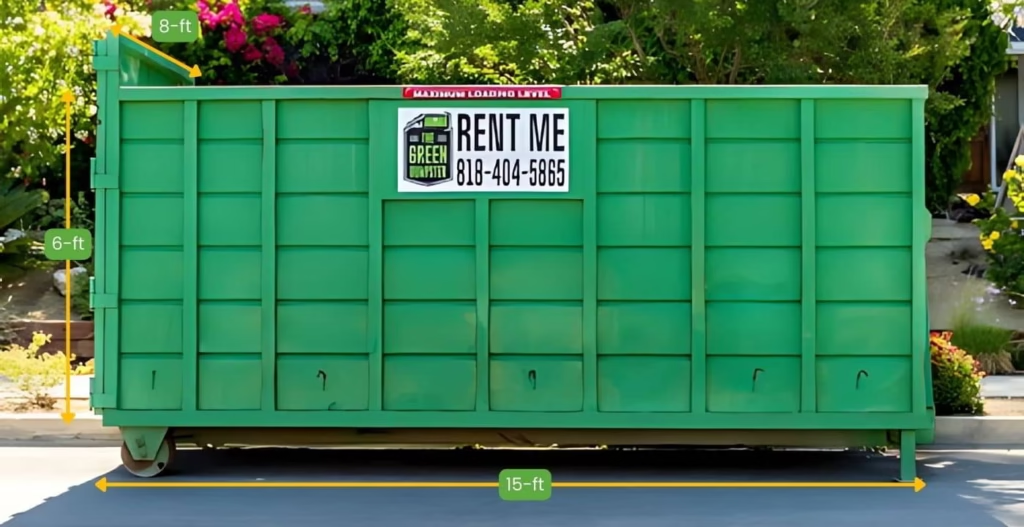

Whether you’re doing a home renovation, yard cleanup, garage decluttering, roofing project, or preparing a property for sale, residential dumpster rental is one of the easiest and most efficient ways to manage waste. From old furniture and broken appliances to construction debris and yard waste, a dumpster rental helps you dispose of everything in one place—safely, legally, and conveniently.
In 2025, residential dumpster rentals have become more affordable, more efficient, and more widely available. With flexible rental periods, same-day delivery options, and different dumpster sizes, homeowners can easily find the right solution for any project.
This comprehensive 3,000-word guide explains everything you need to know about residential dumpster rental—including costs, sizes, types, what you can throw away, what’s prohibited, how to choose a rental company, and tips to save money.
What Is Residential Dumpster Rental?
Residential dumpster rental is a service where a waste management company delivers a temporary roll-off dumpster to your home. You fill it with debris, trash, or unwanted items, and the company comes back to pick it up and dispose of the waste properly.
Key Features
Delivered directly to your driveway
Various sizes available (10–40 yard)
Short-term or long-term rental
Ideal for renovations, cleanouts, landscaping, roofing
Helps avoid multiple trips to the landfill
Affordable and convenient
Residential dumpster rental is different from commercial dumpsters which are permanent fixtures for businesses or apartment buildings. Residential dumpsters are temporary and used for specific projects.
Why Homeowners Need Residential Dumpster Rental
Homeowners rent dumpsters for many reasons. Here are the most common uses:
- Home Renovations
Renovation projects generate enormous amounts of debris such as:
Drywall
Wood
Cabinets
Flooring
Plumbing debris
Countertops
A dumpster rental keeps your property clean and safe during the remodel.
- Garage, Attic & Basement Cleanouts
Decluttering produces bulk waste that is difficult to dispose of using regular trash services.
Perfect for:
Old appliances
Clothing
Boxes
Electronics
Mattresses
Broken tools
- Moving or Downsizing
If you’re preparing your home for sale or moving to a smaller home, dumpsters help eliminate junk quickly.
- Yard Waste Removal
A dumpster makes yard maintenance easy—especially for large properties.
Common yard waste:
Branches
Tree stumps
Soil
Grass
Shrubs
Landscaping debris
- Roofing Projects
Roof replacements produce tons of shingles, felt paper, and nails.
Roofers commonly use:
10-yard or 15-yard dumpsters
- Estate Cleanouts
After a loved one passes, families often need fast waste removal for large amounts of belongings.
- Seasonal Cleaning
Spring or fall cleanup projects usually require bulk waste disposal.
- Disaster or Storm Cleanup
After floods, fires, or storms, dumpsters help remove:
Damaged materials
Furniture
Flooring
Insulation
Debris
Renting a dumpster saves time and reduces stress during emergencies.
Dumpster Sizes for Residential Use (With Capacity Guide)
Dumpsters come in several standard sizes. Choosing the right one helps avoid extra costs.
Below is a size-by-size breakdown:
- 10-Yard Dumpster
Best for: Small home projects
Capacity: 50–70 trash bags
Dimensions: 12’ L × 8’ W × 3.5’ H
Perfect for:
Small cleanouts
Bathroom remodel
Yard cleanup
Roofing shingles (up to 25 squares)
- 15-Yard Dumpster
Best for: Medium-sized projects
Capacity: 80–100 trash bags
Dimensions: 16’ L × 8’ W × 4.5’ H
Good for:
Kitchen renovation
Bedroom cleanout
Medium landscaping jobs
- 20-Yard Dumpster (Most Common)
Best for: Most residential projects
Capacity: 120–150 trash bags
Dimensions: 22’ L × 8’ W × 4.5’ H
Suitable for:
Whole-house cleanouts
Large renovations
Deck removal
Construction debris
- 30-Yard Dumpster
Best for: Large projects
Capacity: 170–200 trash bags
Dimensions: 22’ L × 8’ W × 6’ H
Ideal for:
Major remodels
Estate cleanouts
Multi-room renovation
- 40-Yard Dumpster
Best for: Extra-large waste loads
Capacity: 230–250 trash bags
Dimensions: 22’ L × 8’ W × 8’ H
Used for:
Whole home demolition
Large construction sites
Major storm cleanup
How Much Does Residential Dumpster Rental Cost in 2025?
The cost depends on size, weight limit, rental duration, and your location.
Average Price Range
10-yard: $250–$400
15-yard: $300–$450
20-yard: $350–$550
30-yard: $450–$650
40-yard: $550–$800
What Affects the Price?
Dumpster size
Weight of the debris
Rental duration
Location and distance to landfill
Type of waste
Local dumping fees
Fuel costs
Extra Fees You Should Know
Overweight charges
Additional days
Prohibited items fees
Failed pickup fees
Permits (for street placement)
What Can You Put in a Residential Dumpster?
Most household items are allowed.
Household Junk
Furniture
Toys
Clothing
Carpet
Mattresses
General trash
Construction & Renovation Debris
Drywall
Wood
Tile
Flooring
Cabinets
Countertops
Yard Waste
Branches
Soil
Shrubs
Grass
Leaves
Roofing Materials
Asphalt shingles
Tar paper
Roofing nails
Bulky Items
Sofas
Tables
Dressers
Desks
What You Cannot Put in a Dumpster
Certain items are restricted by law for safety and environmental reasons.
Hazardous Waste (Prohibited)
Paint
Oils
Batteries
Pesticides
Gasoline
Chemicals
Cleaners
Asbestos
Electronics (in many states)
TVs
Computers
Printers
Appliances with Freon
Refrigerators
AC units
Tires
Must be disposed of separately.
Medical Waste
Strictly prohibited.
Always ask the rental company before disposing of questionable items.
How Residential Dumpster Rental Works: Step-by-Step Process
The process is simple and often takes less than 5 minutes to schedule.
Step 1: Choose the Dumpster Size
Pick the size based on your project.
Step 2: Request a Quote
Get pricing from local companies.
Step 3: Schedule Delivery
The company drops the dumpster on your driveway or preferred location.
Step 4: Fill the Dumpster
Load your debris conveniently over days or weeks.
Step 5: Pickup
The company returns, collects the dumpster, and handles disposal.
That’s it—fast, simple, and stress-free.
Where Can You Place a Residential Dumpster?
- Driveway (most common)
Safe and legal in all areas.
- Yard / Lawn
Allowed, but not recommended during rainy seasons.
- Street or Public Road
You may need a city permit.
- Side of the House
Depending on access and terrain.
Make sure the location is flat and accessible for the truck.
Benefits of Residential Dumpster Rental
- Saves Time
No need for multiple trips to the landfill.
- Convenient
You fill it at your own pace.
- Safe Cleanup
Reduces hazards around your property.
- Cost-Effective
Cheaper than hiring junk removal crews for large projects.
- Eco-Friendly
Waste is sorted and processed properly.
- Versatile
Perfect for nearly any household project.
Dumpster Rental vs Junk Removal: Which Is Better?
Dumpster Rental
Best for:
Ongoing projects
Large volumes of waste
DIY homeowners
Advantages:
Lower cost
More control
More capacity
Junk Removal Services
Best for:
Single large items
Elderly homeowners
Quick, labor-included service
Advantages:
No labor for you
Fast removal
Which Should You Choose?
If you have ongoing debris, choose a dumpster.
If you have one-time items, choose junk removal.
Tips for Saving Money on Residential Dumpster Rentals
Choose the right size
Don’t pay for unused space.
Avoid overweight fees
Heavy materials add extra charges.
Limit rental duration
Most companies charge extra after 7 days.
Ask about all fees upfront
Don’t get surprised later.
Share a dumpster with neighbors
Split the cost.
Compare 3–5 companies
Prices vary significantly.
Load the waste efficiently
Break large items down.
Place lighter debris on top
Helps distribute weight.
Common Mistakes to Avoid When Renting a Dumpster
Ordering the wrong size
Overfilling the dumpster
Throwing away prohibited items
Not getting a permit for street placement
Ignoring weight limits
Waiting too long to book
Placing the dumpster on soft ground
Blocking access for the truck
Leaving items sticking out
Avoiding these mistakes saves you money and stress.
How to Choose the Best Residential Dumpster Rental Company
- Check Reviews
Google, Yelp, and Facebook reviews reveal reliability.
- Compare Prices
Request quotes from multiple companies.
- Confirm Weight Limits
Some companies offer higher limits for less money.
- Same-Day Delivery?
Useful for last-minute projects.
- Transparent Fees
Avoid companies with hidden charges.
- Customer Support
Helpful staff ensures a smooth rental.
- Flexible Pickup & Extension Options
Choose a company willing to adjust schedules.
Residential Dumpster Rental for Specific Projects
- Bathroom Renovation
A 10-yard dumpster is ideal.
- Kitchen Remodeling
A 15-yard or 20-yard dumpster works best.
- Roofing Projects
10-yard for small homes
15-yard for larger roofs
- Landscaping & Yard Work
A 10-yard dumpster often works unless removing trees.
- Garage Cleanouts
Use a 15-yard dumpster.
- Moving or Downsizing
A 20-yard dumpster is usually needed.
- Whole-Home Renovation
A 30-yard or 40-yard dumpster is recommended.
Environmental Impact: Is Dumpster Rental Eco-Friendly?
Yes—professional dumpster services follow strict disposal guidelines.
How they reduce environmental harm:
Sorting recyclable materials
Using fuel-efficient trucks
Avoiding illegal dumping
Working with certified landfills
Complying with state rules
Proper waste management protects ecosystems and reduces pollution.
Future of Residential Dumpster Rental (2025–2030)
Dumpster rental is evolving with technology.
Trends Ahead
Online booking systems
Digital weight tracking
Eco-friendly waste processing
Smart dumpsters with sensors
Electric waste trucks
Wider recycling programs
Companies are becoming more efficient and environmentally responsible.
Conclusion
Residential dumpster rental is one of the most convenient, cost-effective, and efficient ways to handle home cleanups, renovations, yard waste removal, roofing projects, and moving preparation. With flexible dumpster sizes, affordable pricing, and simple delivery/pickup services, renting a dumpster makes any home project faster and easier.
Whether you’re decluttering your garage, renovating your kitchen, or preparing your house for sale, a dumpster rental ensures a safe, organized, and stress-free cleanup process.